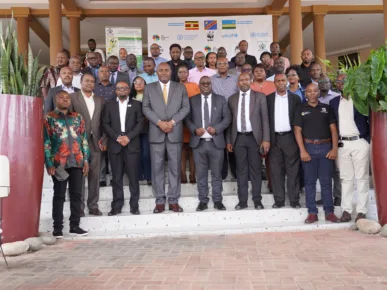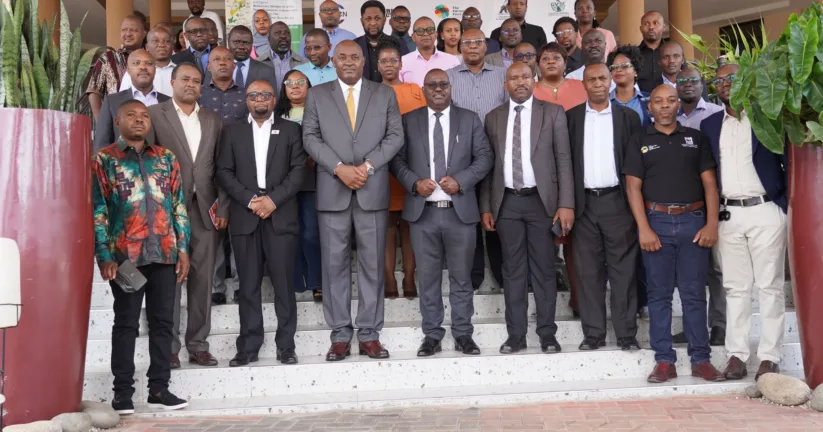
Mbarara, Uganda—The Democratic Republic of Congo, Rwanda and Uganda have developed a legal framework to facilitate the safe and timely movement of human, animal and wildlife specimens across borders, marking a key step towards strengthening regional disease surveillance and outbreak response.
The legal framework seeks to establish a common basis for cross-border specimen movement, supported by clear referral pathways, documentation and tracking procedures, chain-of-custody requirements, and coordination mechanisms. It also aims to facilitate collaboration among human health, veterinary, wildlife, laboratory, and border management authorities, in line with the One Health approach.
The region remains vulnerable to health threats, including Ebola virus disease, Marburg virus disease, mpox, anthrax and yellow fever. Timely laboratory diagnosis is essential for detecting and confirming outbreaks, assessing risks, and guiding effective response measures. However, differences in national regulations, lengthy customs procedures, permit requirements and gaps in harmonized biosafety, and biosecurity measures can delay the movement of specimens to laboratories with the required diagnostic capacity.
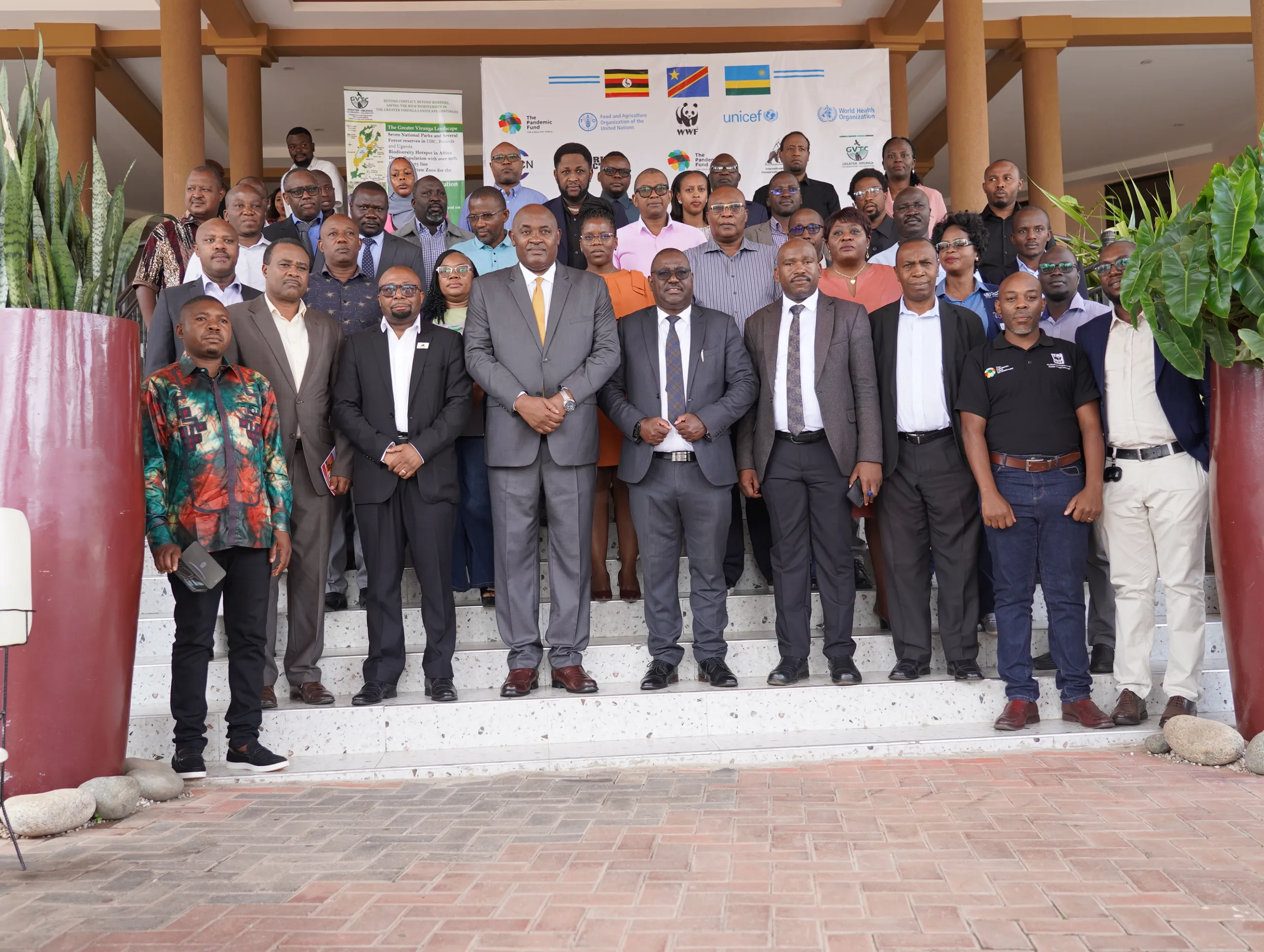
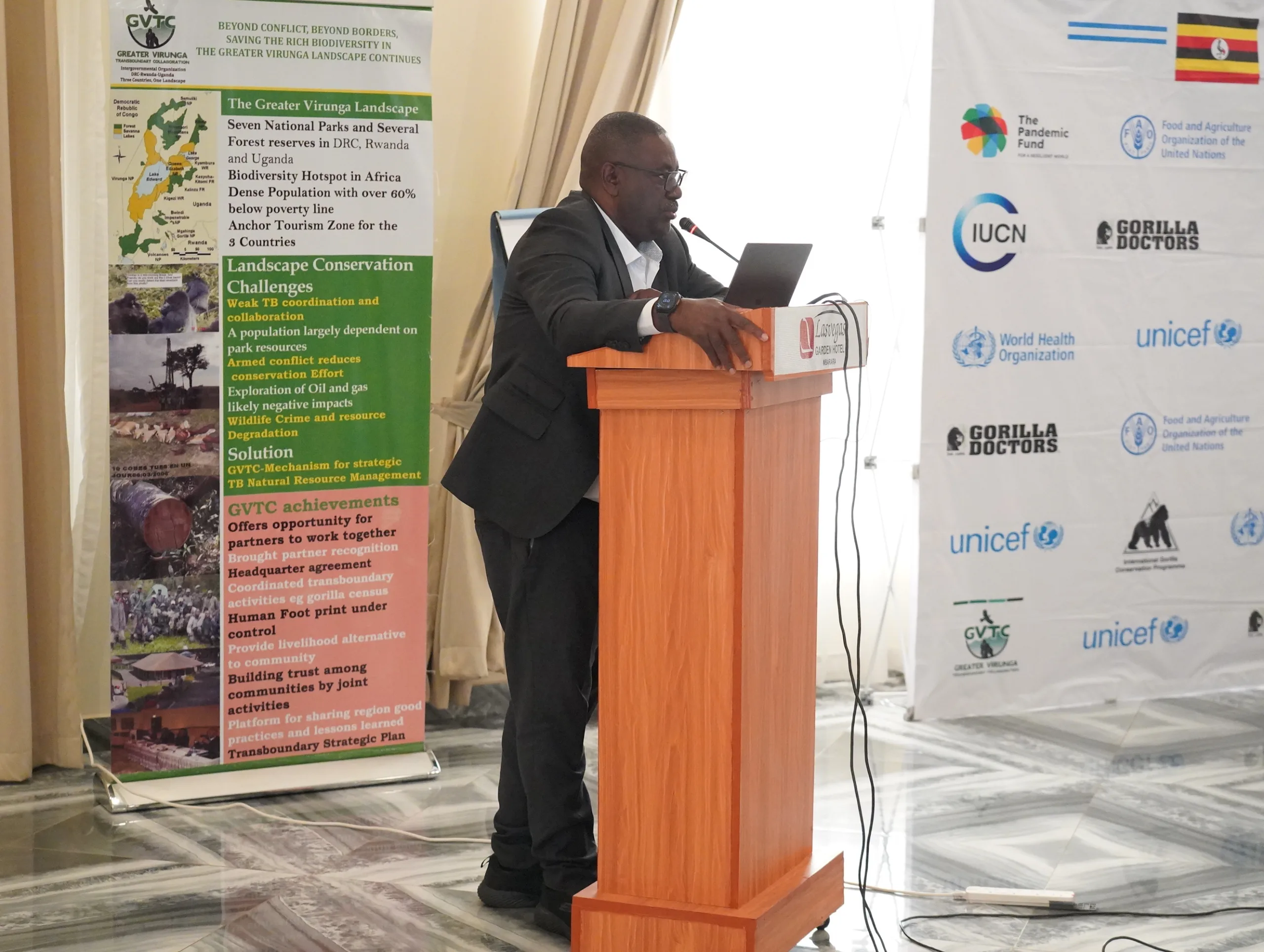
The framework was developed at a three-day regional workshop held in Uganda from 14 to 16 October 2026, convened by the Greater Virunga Transboundary Collaboration (GVTC), with support from the Pandemic Fund through the World Health Organization (WHO), the Food and Agriculture Organization of the United Nations (FAO) and the United Nations Children’s Fund (UNICEF). The workshop brought together technical, legal and policy experts from the three countries to address regulatory and operational barriers to cross-border specimen referral and laboratory collaboration.
The Greater Virunga Landscape (GVL) is a shared ecosystem characterized by the extensive movement of people, livestock, and wildlife. While these interactions support livelihoods, trade, and tourism, they also create opportunities for infectious diseases to spread across borders and between humans, animals and wildlife.
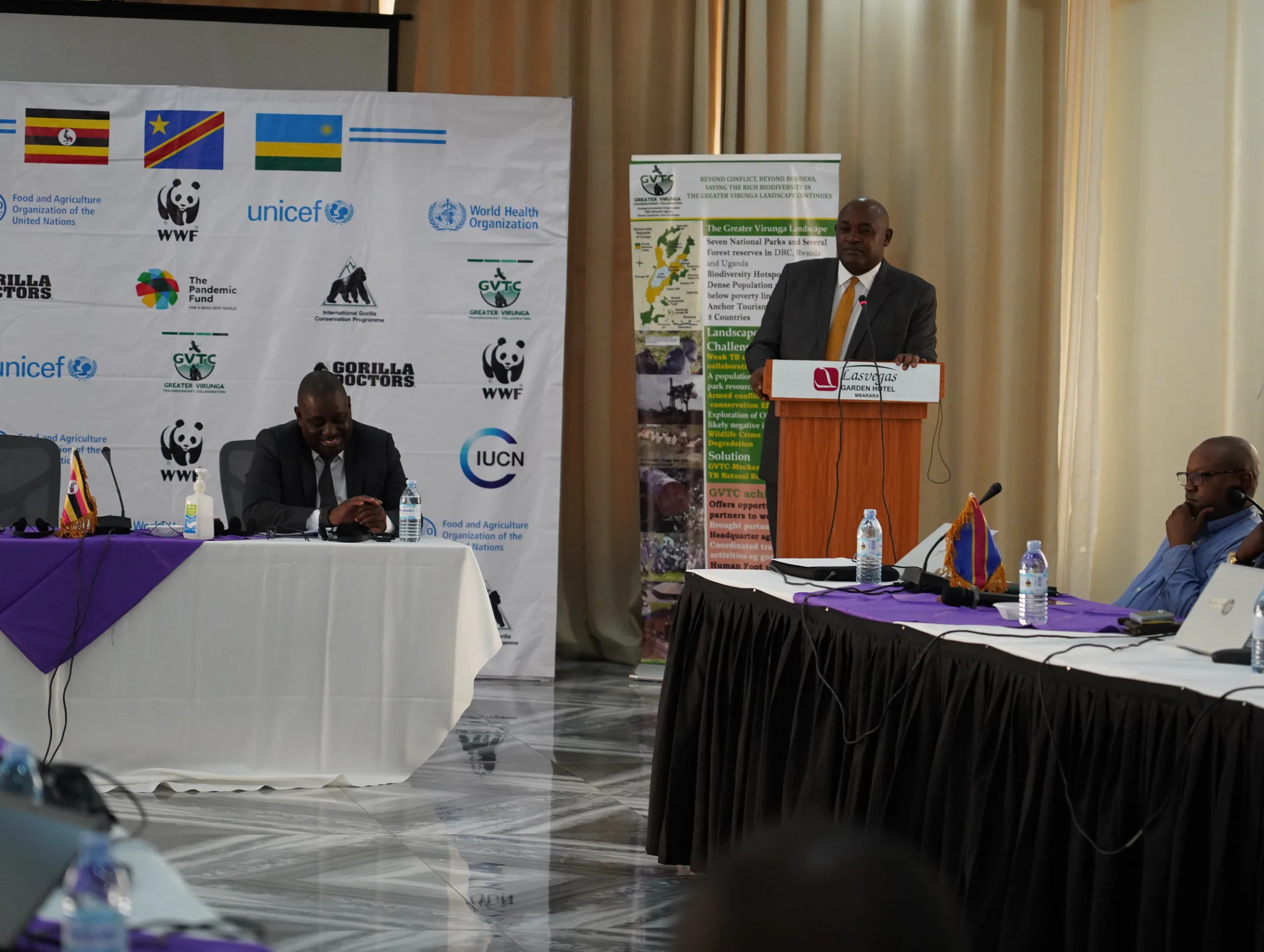
“Diseases do not respect national borders and therefore we must collaborate across countries to translate these instruments into meaningful interventions for the benefit of our people, the wildlife and the animals we protect,” said Dr Chris Baryomunsi, Minister of Health in Uganda. “Therefore, I am fully committed to supporting the regional framework and ready to mobilize and engage Ministers of Health from the Republic of Rwanda and the Democratic Republic of Congo to adopt and sign this framework.”
The framework is expected to make specimen referral more efficient and predictable, enabling faster access to appropriate diagnostic services across the three countries.
“Following the validation of regional disease contingency plans, putting in place a regional framework to support surveillance and movement of diagnostic samples across the GVL countries was the next action, recognizing that faster diagnosis enables earlier detection and earlier detection saves lives,” said Dr Andrew Seguya, Executive Secretary at GVTC.
Through its support to GVTC, the Pandemic Fund is contributing to efforts to address critical gaps in regional preparedness and health security. This investment supports collaboration across national borders and sectors to improve access to laboratory testing, strengthen early detection, and coordinate responses to emerging and re-emerging health threats.
GVTC Executive Secretariat
Contribution of NAMBAHU Johanna/WHO