Foreword
The Greater Virunga Landscape (GVL), commonly known as the Central Albertine
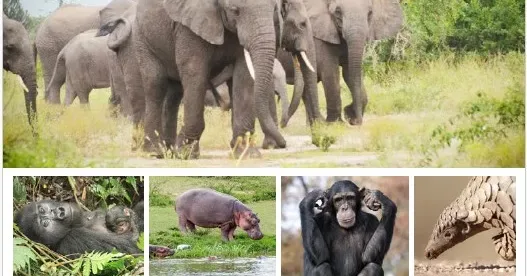
Rift, is one of the world’s most diverse fragile eco-regions with endangered wildlife
and fauna such as the mountain gorilla and the iconic elephant, hippopotamus and
chimpanzee as well as rare birds and plants.
Reflecting its regional and international importance as home to the wonderful
endangered species, the GVL includes three World Heritage sites, one Ramsar sites and
two Biosphere Reserves.
Despite its importance, the GVL faces many threats such as insecurity, poverty, poor
infrastructure development, climate change, demographic growth, oil and gas
exploration and exploitation, which may result in the fragmentation of the landscape.
Considering these risks for transboundary impacts associated with the human footprint
in this landscape, the GVTC Treaty was signed by DRC, Rwanda and Uganda in 2015.
Its ratification is a good foundation for undertaking actions that tackle the threats to
the GVL.
Successful conservation of the GVL will require government institutions, regional
and international communities, public and private sectors, donors and development
partners, to work together in conserving the Greater Virunga Landscape now and for
future generations.
In order for the GVTC to measure its success in the conservation of the GVL will prepare
an Annual Conservation Status Report (ACSR). The purpose of the ACSR is to provide
up-to-date information on key indicators of conservation in the GVL. The ACSR will
assist the GVTC and its partners to monitor and evaluate their conservation efforts and
strengthen conservation activities in the GVL.
We are grateful to those who have supported this first ACSR edition 2015. We anticipate
that future ACSRs will progressively become richer in data and analysis and will play an
important role in the conservation of the GVL.
The Executive Secretary.